When engineers think about motion solutions, linear guides often take the spotlight. But rotary motion systems quietly power some of the most innovative and efficient machines in the world.
Here are five fast facts about rotary motion and why it might be the unsung hero of your next project:
1) Rotary Tracks Can Be Any Shape, Even Freeform
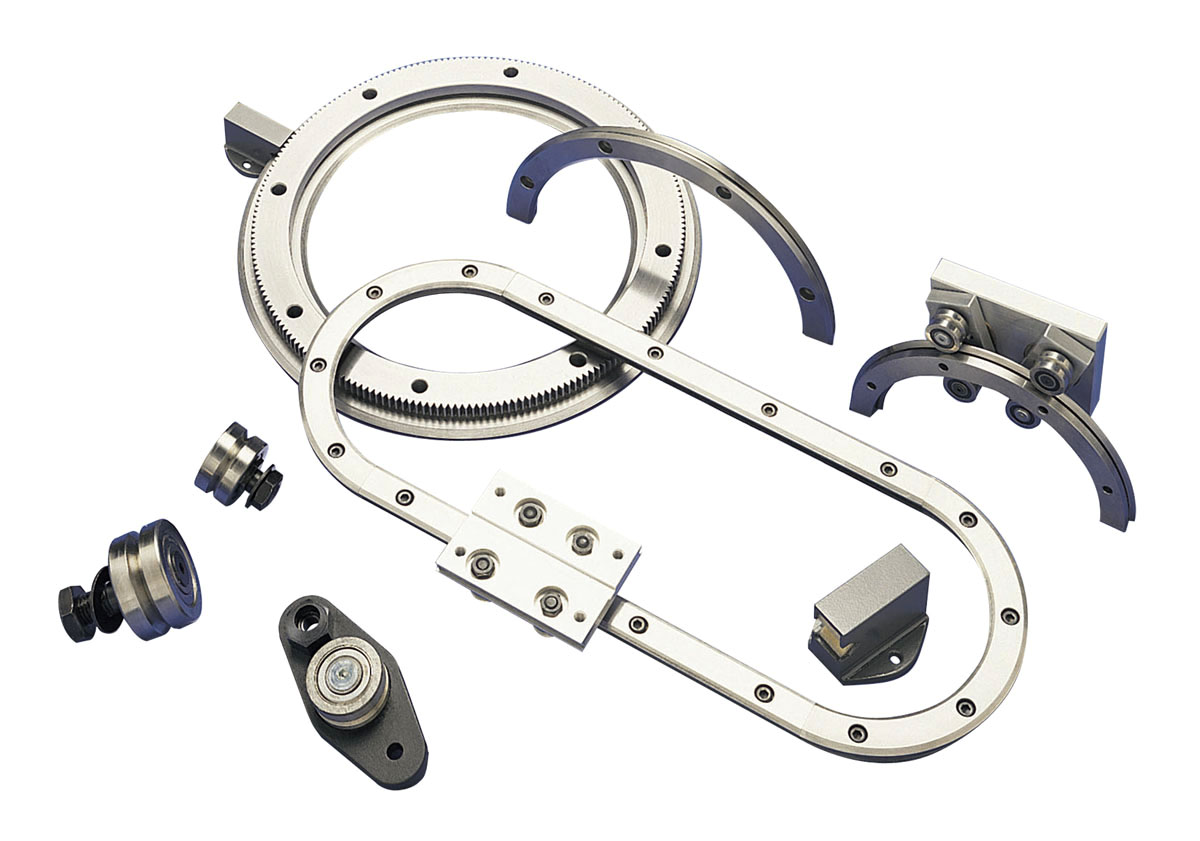
Traditional rotary systems were limited to circles or ovals. Enter HepcoMotion’s PRT2 and 1-Trak technology, which allows designers to create virtually any 2D track path, from gentle arcs to tight S-curves. This innovation opens doors for compact, space-saving machinery layouts and creative applications like inspection stations and robotic arms following irregular paths.
2) Rotary Systems Handle More Than Just Rotation
Rotary tracks aren’t just for spinning: they can carry, guide, and position heavy loads. Systems like HDRT (Heavy Duty Ring & Track) combine the strength of HDS2 with the flexibility of rotary track design, making them ideal for massive, high-load applications like automated welding cells and plasma cutting lines.
3) They Thrive Where Other Systems Fail
Think rotary motion can’t handle grit, water, or high heat? Think again. Systems like DualVee® guide wheels use a self-cleaning “vee” design that wipes away debris as they roll. This means they keep operating smoothly in harsh settings like food processing plants, glass cutting facilities, or even aircraft paint removal systems.
4) Rotary Motion Enables Continuous Production
Unlike traditional linear conveyors that require resets or return cycles, rotary track systems run endlessly, moving parts through multiple stations in a seamless loop. In packaging lines, inspection processes, and automated assembly, this means no downtime between cycles, just non-stop productivity. The result? Faster throughput, fewer stoppages, and production lines that flow as smoothly as the tracks themselves.
5) They Save Space, Time, and Money
A well-designed rotary track can replace complex conveyor networks or multiple robotic arms, cutting equipment footprints and simplifying maintenance. By guiding parts through multiple stations on a single path, these systems boost efficiency while lowering costs, a win for any production line.
From high-tech manufacturing floors to innovative food production lines, rotary motion is quietly shaping industries in ways most of us never notice. The next time you see something move with seamless precision, there’s a good chance rotary motion is behind it.